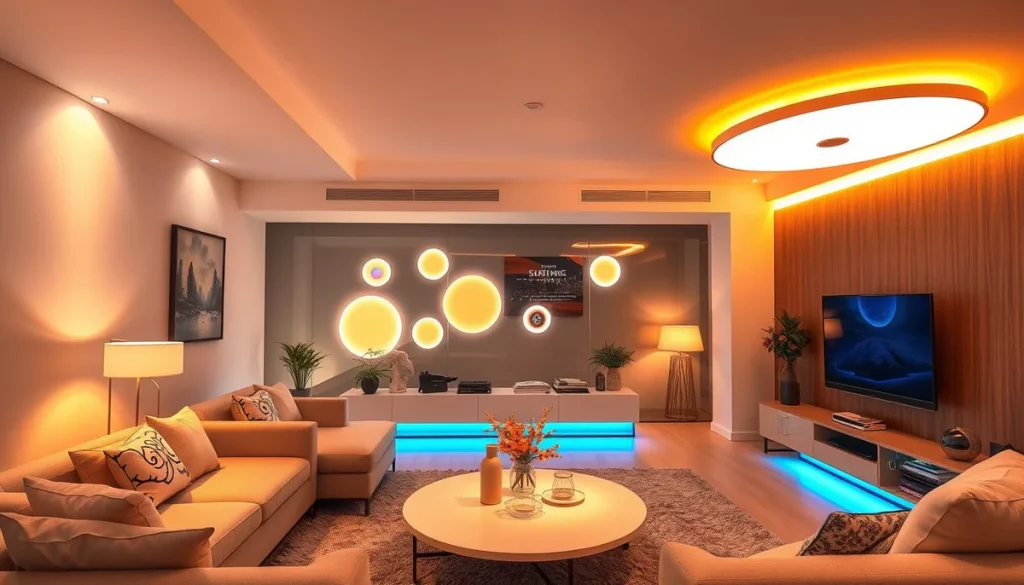
The Evolution of Smart Homes and Connected Living
Smart home automation has rapidly shifted from a futuristic concept to a mainstream lifestyle upgrade. Today’s homes are no longer just physical spaces—they are intelligent environments powered by interconnected devices that communicate, learn, and adapt to user behavior.
At its core, smart home automation integrates technology into everyday household systems such as lighting, security, heating, entertainment, and appliances. These systems can be controlled remotely through smartphones, voice assistants, or automated schedules.
The demand for smart homes is driven by convenience, energy efficiency, and enhanced security. Homeowners are increasingly adopting automation to simplify daily routines, reduce energy costs, and improve overall comfort.
From turning on lights automatically when you enter a room to controlling your entire home while traveling, smart automation is redefining modern living standards.
Essential Components of a Smart Home System
Building a smart home begins with understanding the core components that make automation possible. These include smart hubs, connected devices, sensors, and control interfaces.
A smart hub acts as the central command system, connecting all devices and allowing them to communicate with each other. Popular hubs integrate with voice assistants, enabling hands-free control of home systems.
Smart lighting systems are among the most common entry points into automation. They allow users to adjust brightness, color, and schedules, often leading to significant energy savings.
Smart thermostats regulate temperature automatically based on user habits and environmental conditions, improving comfort while reducing utility bills.
Security systems such as smart cameras, motion sensors, and smart locks provide real-time monitoring and remote access, enhancing home safety.
Other important components include smart speakers, automated appliances, and connected entertainment systems that create a fully integrated living experience.
Step-by-Step Smart Home Automation Setup Process
Setting up a smart home requires careful planning to ensure compatibility, efficiency, and scalability. The first step is identifying your goals—whether it is improving security, increasing convenience, or reducing energy consumption.
Next, choose a reliable ecosystem. Most smart homes are built around platforms like Google Home, Amazon Alexa, or Apple HomeKit. Selecting one ecosystem helps ensure smooth device integration.
After selecting a platform, start with essential devices such as smart lighting, plugs, and thermostats. These provide immediate benefits and are easy to install.
Gradually expand your system by adding security devices, entertainment systems, and advanced sensors. It is important to ensure all devices are compatible with your chosen hub.
Configuration typically involves connecting devices to Wi-Fi, linking them to the central app, and setting up automation rules. For example, you can program lights to turn on at sunset or activate security cameras when you leave home.
Testing and optimization are crucial steps. Adjust settings based on real-life usage to ensure the system works efficiently and reliably.
Benefits of Home Automation in Daily Life
Smart home automation offers a wide range of benefits that go beyond convenience. One of the most significant advantages is energy efficiency. Automated systems ensure that lights, heating, and appliances are used only when needed, reducing unnecessary consumption.
Security is another major benefit. Real-time alerts, remote monitoring, and smart locks provide homeowners with greater control and peace of mind, even when they are away.
Convenience is perhaps the most noticeable advantage. Tasks that once required manual effort—such as adjusting lighting, playing music, or locking doors—can now be done with voice commands or automation routines.
Smart homes also improve accessibility for elderly individuals and people with disabilities by simplifying control of household systems.
Additionally, automation enhances lifestyle personalization. Homes can adapt to individual preferences, such as lighting moods, temperature settings, and entertainment choices, creating a more comfortable living environment.
Future Trends in Smart Home Technology
The future of smart home automation is being shaped by advancements in artificial intelligence, machine learning, and the Internet of Things (IoT). These technologies are making homes more intuitive and self-learning.
Artificial intelligence enables systems to analyze user behavior and automatically adjust settings without manual input. For example, a smart home may learn your sleep schedule and adjust lighting and temperature accordingly.
Voice control is becoming more advanced, allowing natural conversations with home systems instead of simple commands. This makes interaction more seamless and human-like.
Interconnectivity between devices is also improving. Future smart homes will feature fully synchronized systems where appliances, security, and entertainment work together effortlessly.
Energy management systems will become more sophisticated, helping households reduce carbon footprints and optimize power usage based on real-time data.
As technology continues to evolve, smart homes will become more autonomous, efficient, and personalized, ultimately transforming the way people live and interact with their environment.